
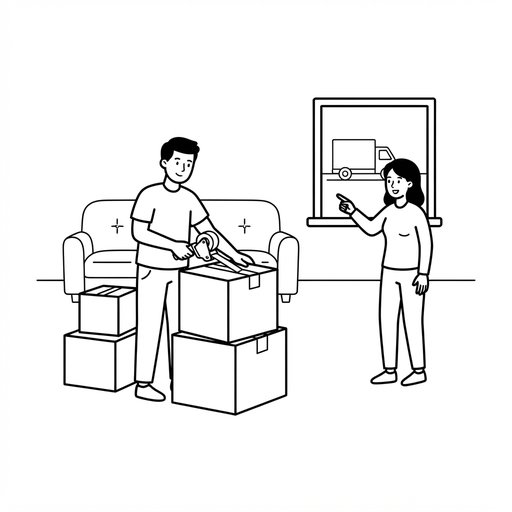
1為了(1)搬家,他把東西都裝進箱子。
正確。「準備搬家」是固定動賓搭配,符合把東西裝箱的前置動作。
Correct. 「準備搬家」 (prepare to move) is a fixed verb-object pair. It matches packing things into boxes before moving.
「打工」指兼職工作,與「搬家前整理東西」的情境不符。
「打工」 means a part-time job. It does not fit sorting things before a move.
「休息」指停止活動放鬆,與「為了……裝箱」的目的語意矛盾。
「休息」 means stopping to relax. It conflicts with the purpose of packing boxes.
2他們(2)把家具搬上車,一點都不休息。
「常常」表示頻率,與「一點都不休息」描述的單次持續動作不符。
「常常」 (often) shows frequency. It does not fit 「一點都不休息」 (not resting at all), which describes one ongoing action.
「也」表示並列、同樣,此句沒有並列對象,用法不合。
「也」 (also) joins things of the same kind. This sentence has nothing to join, so it does not work.
正確。「一直」表示動作持續不斷,符合「一點都不休息」的語境。
Correct. 「一直」 (all the time) shows an action that keeps going. It fits 「一點都不休息」 (not resting at all).
3新家除了大,(3)離公司很近。
正確。「除了…還…」表遞進,說明新家除了大之外還有離公司近的優點。
Correct. 「除了…還…」 (besides... also...) adds a point. The new home is big and is also close to the office.
「除了」須搭配「還」表遞進,與轉折詞「但是」搭配邏輯矛盾。
「除了」 must go with 「還」 to add a point. Using it with 「但是」 (but), which shows contrast, does not make sense.
「有的」用於列舉部分對象,與遞進語意的句子結構不合。
「有的」 (some) lists part of a group. It does not fit a sentence that adds one point to another.
4看到新家又大又亮,她覺得很(4)。
「輕鬆」形容沒有壓力的狀態,與看到漂亮新家的驚喜心情不完全吻合。
「輕鬆」 (relaxed) describes being free of pressure. It does not quite fit the happy surprise of seeing a beautiful new home.
正確。「高興」形容看到滿意新家後的愉快心情,符合語境。
Correct. 「高興」 (happy) describes the good feeling of seeing a new home you like. It fits the context.
「放心」形容擔憂解除後的心情,與句中單純的驚喜情緒不符。
「放心」 (relieved) describes the feeling after a worry goes away. It does not fit the simple happy surprise here.
5他先跟(5)說了搬家的時間,也付了房租。
正確。「房東」是把房子租給別人的人,句中還要付房租給他,只有房東符合。
Correct. A 「房東」 (landlord) rents a home to other people. The sentence says rent is paid to this person. Only a landlord fits.
「店員」在商店工作,不會收房租。
A 「店員」 (store clerk) works in a store. A clerk does not collect rent.
「同學」是一起上課的人,不會收房租。
A 「同學」 (classmate) is someone who takes classes with you. A classmate does not collect rent.
